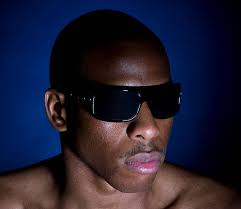
Let's be honest. We've all done it. You're scrolling through an online store, or maybe walking past a street stall, and you spot a pair of sunglasses that look amazing. They've got the right shape, the right vibe, maybe even the same style your favorite celebrity just wore. And the price? Almost nothing. So you grab them without thinking twice.
No judgment here. But here's something most people don't know and it's actually kind of alarming. Those cheap sunglasses might be doing more harm to your eyes than if you'd worn nothing at all. That's not an exaggeration. That's just how eye science works.
So what's really going on inside those lenses?
Your eyes are constantly under attack from UV rays and ultraviolet light that comes from the sun. You can't see it, you can't feel it hitting you, but it's there. And over time, too much UV exposure quietly damages the delicate tissues inside your eyes. The thing is, your eyes have a natural defense. In bright light, your pupils shrink to limit how much light gets in. Smart, right?
Here's where cheap sunglasses become a real problem. The moment you put on a dark-tinted lens, your pupils relax and open up because your eyes think they're protected now. But if those lenses don't actually block UV rays, you've just given harmful radiation a bigger, wider entrance straight into your eye. You've made things worse while thinking you made them better.
Dark tint is not the same as UV protection. That's the part nobody talks about. A lens can be completely black and still let 100% of UV rays pass right through. This is the single biggest lie that cheap eyewear sells, without ever saying a word.
The stuff that's actually in cheap frames
When you buy a ₹200 pair of sunglasses from an unverified seller, whether it's a quick-commerce app, a roadside stall, or a sketchy online listing, the lenses are usually just tinted plastic. There's no UV-blocking coating. No optical testing. No quality check of any kind. The frame might contain BPA or even trace amounts of lead, both of which sit right next to your skin and eyes for hours every day.
And those stickers that say "UV400" or "100% UV Protection"? On cheap pairs, those are often just printed labels with no testing to back them up. Anyone can print a sticker. Nobody's checking.
What makes it worse is that poorly made lenses also distort your vision in subtle ways. Your eye muscles work overtime trying to compensate, and you end up with headaches, eye strain, and fatigue even after just a few hours of wear. You just assume you're tired. You don't connect it to the ₹250 pair sitting on your face.
This Impacts Teens the Most
Here's something worth paying attention to if you're a parent or if you're a teenager reading this yourself. Teen eyewear is a massive market right now, and it's largely unregulated when it comes to cheap fashion buys. Teens spend more time outdoors, change their styles fast, and are honestly the most likely to grab whatever looks cool without reading any fine print.
But young eyes are still developing. UV damage during those years adds up quietly and can show up much later as serious conditions, cataracts, macular degeneration, even eyelid cancers. These aren't rare, fringe outcomes. Eye doctors see them regularly, and they're directly linked to years of poor sun protection.
The sun doesn't care how old you are. And neither do UV rays.
What actually happens when eyes get damaged
UV damage to your eyes is cumulative. That means every hour you spend outdoors with bad or no protection adds another layer to the total. It doesn't hurt at the moment. There's no warning signal. You just go about your day, and the damage quietly stacks up over months and years.
The conditions that build up over time include cataracts, where the lens of your eye gradually clouds over and your vision gets blurry. There's macular degeneration, which slowly destroys your central vision. Photokeratitis is basically a sunburn on your cornea, temporarily extremely painful, and a sign that something went very wrong. There's also pterygium, a growth on the white part of the eye that forms from repeated UV exposure. None of these are fun. All of them are largely preventable.
What good sunglasses actually look like
The good news is that protecting your eyes doesn't have to mean spending a lot. It just means knowing what to look for. Real UV protection sunglasses block 99 to 100 percent of both UVA and UVB rays. The standard you want is UV400, meaning polarized sunglasses, and this should come with actual certification, not a peel-off sticker.
Branded eyeglasses frames from trusted manufacturers matter more than most people think. This doesn't mean you have to spend on designer labels, it just means buying from brands that follow optical safety standards and actually test their lenses. Brands like Fastrack, Ray-Ban offer quality-checked options across different price ranges. The difference is that someone tested what's inside those lenses before they sold them to you.
And if you already wear prescription glasses, power sunglasses are something you should seriously look into. Also called prescription sunglasses, these combine your vision correction with proper UV-blocking lenses so you're not choosing between seeing clearly and protecting your eyes. In 2026, plenty of certified online eyewear platforms let you upload your prescription and order power sunglasses with UV protection or polarized lens upgrades directly. Just make sure you're buying from a platform that's certified and not just cheap.
One last thing: the shape of your frame matters too. Frames that sit close to your face and wrap around slightly at the sides offer much better protection than oversized, loosely fitting styles. UV rays come in from angles, not just straight ahead.
For everyone shopping online in 2026
Social media has made eyewear shopping faster and trendier than ever. Sunglasses get pushed through Instagram shops, influencer affiliate links, and quick-commerce apps and a huge chunk of what's being sold through those channels has zero optical certification. Looking cool has been completely separated from any quality standard.
Before you check out, it's worth asking a few simple questions. Does the product page actually explain what kind of UV protection is included or does it just use the word "UV" loosely? Is there a certified return policy? Are the reviews detailed, or are they just short, generic star ratings? Is the seller linked to any recognized optical brand or certified retailer?
Being a smart eyewear shopper in 2026 doesn't mean being boring about style. It just means being the kind of person who checks the one thing that actually matters before clicking buy.
The real takeaway
Your eyes are doing a lot of work every single day. They deserve better than a pair of lenses that look the part but do nothing to protect them. Cheap sunglasses aren't just a budget compromise; in many cases, they're actively making things worse. Spending a little more on certified UV protection sunglasses, whether that's a pair of polarized sunglasses, quality branded eyeglass frames, or custom power sunglasses, is one of the simplest long-term health decisions you can make. Your eyes won't say thank you right now. But ten, twenty years from now, they will.
FAQs
1. Do dark lenses always protect against UV rays?
A: No, and this is the most common misunderstanding. The darkness of a lens has nothing to do with UV blocking. A lens needs a special coating or material to block UV rays and tint alone doesn't provide that. You could be wearing pitch-black lenses and still have zero UV protection. Always look for a UV400 label from a verified source.
2. Are polarized sunglasses automatically UV protective?
A: Most quality polarized sunglasses do include UV protection, but polarization and UV protection are technically two different things. Polarization reduces glare from reflective surfaces. UV protection blocks harmful ultraviolet rays. The best lenses offer both so when buying polarized sunglasses, confirm they also carry a UV400 rating before you purchase.
3. Do teens need special sunglasses?
A: Teens don't need a completely separate product, but they do need properly fitting frames that sit close to the face and certified UV400 lenses. Because young eyes are still developing and teens tend to spend more time outdoors, good sun protection is even more important for them. The risk of long-term damage is higher at younger ages, and the habits formed early tend to stick.
4. Should you wear sunglasses on cloudy days?
A: Absolutely. Up to 90 percent of UV rays pass right through cloud cover which most people don't realize. Overcast days are actually when a lot of cumulative UV damage happens, because people don't think to protect themselves. UV protection sunglasses should be part of your daily routine, not just a beach-day accessory.
5. What are power sunglasses and are they worth it?
A: Power sunglasses are prescription sunglasses that correct your vision and protect your eyes at the same time. If you wear glasses regularly, they're genuinely worth the investment. You won't need to layer contacts under regular sunglasses, and you'll have proper UV protection every time you step outside. In 2026, they're widely available through certified online eyewear platforms, and they come in polarized options too.