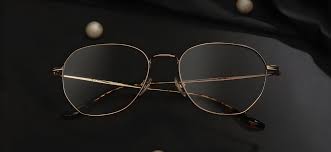
Let me be honest with you, I used to be the person who bought a new pair of glasses every year. Not because I wanted to. Because they kept breaking, bending, or giving me a rash behind my ears. Sound familiar?
It wasn't until a friend pointed at my scratched-up frames and said, "Why don't you just get titanium?" that things changed. That one-offhand comment sent me down a rabbit hole I genuinely wish I had fallen into much sooner. And now, sitting here in 2026, titanium frames have become one of those things I recommend to everyone, whether you're a busy professional, a student hunting for decent teen eyewear, or someone who just wants their glasses to actually last.
So let's talk about it. Not in a salesy way. Just the real stuff you need to know before making a decision.
What Even Makes Titanium Special?
Here's a quick way to think about it. You know how some materials just feel cheap the moment you touch them? Like those plastic frames that flex a little too easily, or the metal ones that start showing rust near the nose pads after six months in summer heat?
Titanium is the opposite of all that.
It's the same material used in surgical implants and aerospace parts. That's not marketing fluff, it genuinely tells you something about the material's nature. Titanium doesn't rust. It doesn't corrode. It bends under pressure and snaps back without cracking. And compared to standard metal frames, it weighs almost half as much.
If branded eyeglass frames were vehicles, most standard frames would be economy hatchbacks functional, sure, but not built for the long road. Titanium? Think of it as the reliable SUV that still looks sharp five years later. Minimal fuss. Maximum performance.
Weight Matters More Than You Think
People always say "oh, titanium is lightweight" like it's just a nice bonus. It isn't. It's actually central to the whole experience.
Think about how long you wear your glasses each day. For most people, it's somewhere between ten and sixteen hours. Any pressure on your nose or temples even something small gets amplified across that many hours. By evening, you're rubbing the bridge of your nose and pulling your glasses off the moment you get home. That's not a lens problem. That's a frame weight problem.
Titanium weighs roughly 45% less than conventional metal frames. The first time most people put them on, they do a double take "wait, are these even on my face?" That might sound like an exaggeration, but honestly, it's one of those things you have to experience to believe. Urban professionals who spend twelve-hour days staring at screens particularly notice the difference. No marks. No end-of-day headaches. Just quiet, comfortable wear from morning to night.
Sensitive Skin? Titanium Is the Answer You've Been Waiting For
This one doesn't get talked about enough. A huge number of people experience skin irritation from their frames, redness on the nose, itching behind the ears, patches of dry or inflamed skin where the metal sits. And most of them just accept it. They assume it's normal.
It's not normal. It's nickel. Standard metal frames almost always contain nickel in some form, and nickel is one of the most common contact allergens in the world. Titanium contains none of it. It's naturally hypoallergenic, which is actually part of why it's used in medical plants; your body simply doesn't react to it.
This makes titanium particularly worth considering for teen eyewear. Younger skin tends to be more reactive, and teenagers aren't always great at noticing or reporting skin discomfort before it turns into a proper irritation. Switching to titanium frames just removes that variable entirely.
UV Protection Sunglasses Work Better in Titanium Frames — Here's Why
Here's something that doesn't come up enough in conversations about UV protection sunglasses: the quality of your protection isn't only about the lens. It's also about whether that lens stays exactly where it's supposed to be.
Plastic and lower-quality metal frames can soften in heat. Over time sometimes faster than you'd expect they warp slightly, and the lens fit loosens. That tiny gap, that barely noticeable shift in how the lens sits, can let UV rays in around the edges. Titanium doesn't do that. It holds its shape in summer heat, in cold mornings, in coastal humidity, in all of it. Your lenses stay locked in, which means your UV shield stays fully intact.
The World Health Organization has consistently recommended wearing UV-protective eyewear outdoors not just on beach holidays, but on regular days too. The thing is, people only follow that advice when their glasses are comfortable enough to actually wear. Titanium makes that easier. When you're not constantly pushing heavy frames back up your nose, you actually keep them on.
What About Polarized Sunglasses?
Polarized lenses are genuinely one of the more underrated upgrades in everyday life. They cut glare from flat surfaces, roads on a bright afternoon, water near a lake or coast, glass storefronts in the city. Driving becomes noticeably safer. Eye strain at the end of a day outdoors practically disappears.
But polarized lenses only work properly when they're aligned precisely. Even a very slight tilt or shift in how the lens sits within the frame changes what it filters. This is where titanium genuinely earns its reputation; its structural rigidity means polarized sunglasses lenses stay in perfect position even after months of daily use. No gradual loosening. No creeping misalignment.
And honestly? Titanium just looks good. The slim metallic profile has this clean, understated premium quality that works whether you're in a boardroom or at a weekend market. Style switchers love this about titanium; it doesn't fight with your outfit, it just quietly elevates it.
Power Sunglasses in Titanium : A Combination That Just Makes Sense
If you wear prescription glasses and spend time outdoors, you probably know the frustration well. Either you squint through your regular glasses, or you carry around a separate pair of non-prescription sunglasses that you inevitably lose or sit on. Power sunglasses prescription lenses with UV protection built in solve this perfectly. But only if the frame can handle it.
Prescription lenses, especially stronger ones, are heavier and thicker than standard lenses. Standard frames sometimes struggle to hold them without the fit shifting over time. Titanium doesn't have this problem. Its strength means prescription lenses stay exactly where your optician placed them, which matters enormously for accurate vision correction. And the lightweight nature of titanium means that even with thicker lenses, the overall weight of your power sunglasses stays completely manageable.
For anyone navigating a busy city day commuting, heading to meetings, grabbing lunch outside — having power sunglasses that look like regular stylish sunglasses is a genuine quality-of-life upgrade. Titanium frames make that possible.
Is Titanium Realistic for Teen Eyewear?
Think about what happens to a teenager's glasses on a typical day. They go into a bag without a case. They get bent while being taken off. They get sat on. They're adjusted and re-adjusted constantly. Standard frames take all of this and gradually give up; they lose their shape, the screws loosen, the hinges weaken. Titanium genuinely shrugs most of this off.
The cost conversation is where it gets interesting. Parents often hesitate at the higher price of titanium teen eyewear. But when you're replacing cheaper frames every year, sometimes twice the maths shifts quickly. Many parents who make the switch find that their teen's titanium frames outlast two or three rounds of the cheaper alternative. Less hassle for the parent, less disruption for the teen. Many branded eyeglass frame makers have noticed this too, which is why there are now far more titanium options designed specifically for younger wearers, bolder colours, slimmer profiles, shapes that actually look current.
What to Actually Look For in Branded Eyeglasses Frames
The titanium eyewear market has grown a lot. That's mostly a good thing: more choices, more price points, more designs. But it has also made it easier for lower-quality products to sneak in with misleading labels.
When you're shopping for branded eyeglass frames in titanium, look for either "pure titanium" or "beta-titanium" on the product description. Both are genuinely high quality; titanium is slightly more flexible, which some wearers prefer. Check that hypoallergenic certification is specifically mentioned, not just implied. Pay attention to warranty terms: good brands stand firmly behind titanium with multi-year coverage because they know the material holds up. And always ask about lens coating options; anti-scratch and anti-reflective coatings make a meaningful difference to how long your lenses look and perform well.
The one thing to actively avoid: frames labelled as "titanium alloy" that don't specify the titanium content. Some of these contain only a trace of titanium mixed with cheaper metals. They look similar on a shelf but behave completely differently after six months of real-world use. Buy from an optician or authorised retailer who can actually tell you what's in the frame.
So How Long Do They Actually Last?
With reasonable care which for titanium basically just means keeping them in a case and wiping them with a cloth now and then a good pair of titanium frames lasts somewhere between five and fifteen years. That's not a typo.
Let's put that into real numbers. Say you spend Rs. 8,000 on titanium frames and they last eight years. That works out to Rs. 1,000 per year. A plastic pair at Rs. 2,500 that you replace every eighteen months is actually costing you over Rs. 1,600 per year plus the time and frustration of repeated replacements. And that's before you factor in the environmental cost of all those discarded frames. Titanium isn't a luxury splurge. It's a smarter financial decision that also happens to be more comfortable, better-looking, and kinder to sensitive skin.
So, Is It Worth It?
Titanium frames sit at a rare intersection they're the right choice for sensitive skin, for active lifestyles, for people who wear power sunglasses with prescription lenses, for parents buying teen eyewear that won't need replacing every year, for anyone who appreciates polarized sunglasses that actually stay aligned, and for style-conscious people who want branded eyeglass frames that hold their look over time.
In 2026, the eyewear conversation has shifted. It's no longer just about how your frames look on day one. It's about how they perform on day 500. On that measure, titanium wins clearly and quietly, without making a fuss about it. Which, when you think about it, is exactly the kind of confidence good materials have.
Frequently Asked Questions
Q1. Do titanium frames actually work for all face shapes, or are the options limited?
A: The options are broader than most people realise. Because titanium is strong enough to be made very thin, manufacturers can produce frames in proportions that genuinely suit different face shapes: narrow, wide, angular, softer. Round, rectangular, oval, aviator, cat-eye titanium is available in all of these. Your optician can also make fit adjustments after purchase, which is actually easier and safer to do with titanium than with thicker plastic frames.
Q2. Will UV-protective lenses actually stay secure in titanium frames long-term?
A: Yes, and this is one of titanium's strongest practical advantages. Polarized sunglasses lenses need to be held in precise alignment any shift changes what they filter. UV protection sunglasses lenses need to sit flush to actually block peripheral UV exposure. Titanium's rigidity means both of these requirements are met consistently, even after years of daily use. It simply doesn't loosen or warp the way other materials can.
Q3. My skin reacts to most metals. Is titanium genuinely different, or is that just marketing?
A: It's genuinely different and the proof is in where else titanium gets used. It's the material of choice for surgical implants and medical devices precisely because the human body doesn't react to it. It contains no nickel, which is the allergen behind most metal-related skin reactions. People who have struggled with irritation, redness, or rashes from standard frames for years often find that titanium resolves the problem completely.
Q4. How much maintenance do titanium frames actually need?
A: Honestly, not much. A soft microfiber cloth for regular cleaning, a rinse with lukewarm water after exposure to sweat or saltwater, and a hard case for storage that's genuinely all it takes. You don't need to worry about heat warping, cold brittleness, or the rust that creeps up on cheaper metal frames near the nose pads. The main thing to protect is your lenses, not the frame itself.
Q5. I'm not a professional , I just want casual everyday glasses. Is titanium still worth it for me?
A: Honestly, it might be even more worth it for everyday casual wear. Here's the simple reason: when glasses are comfortable, people wear them consistently. When they're heavy or irritating, people take them off the moment they get home. Consistent wear means better vision correction and better UV eye protection throughout the day. Titanium's lightweight nature means most people simply wear their glasses more and that's a direct health benefit, not just a comfort perk.